

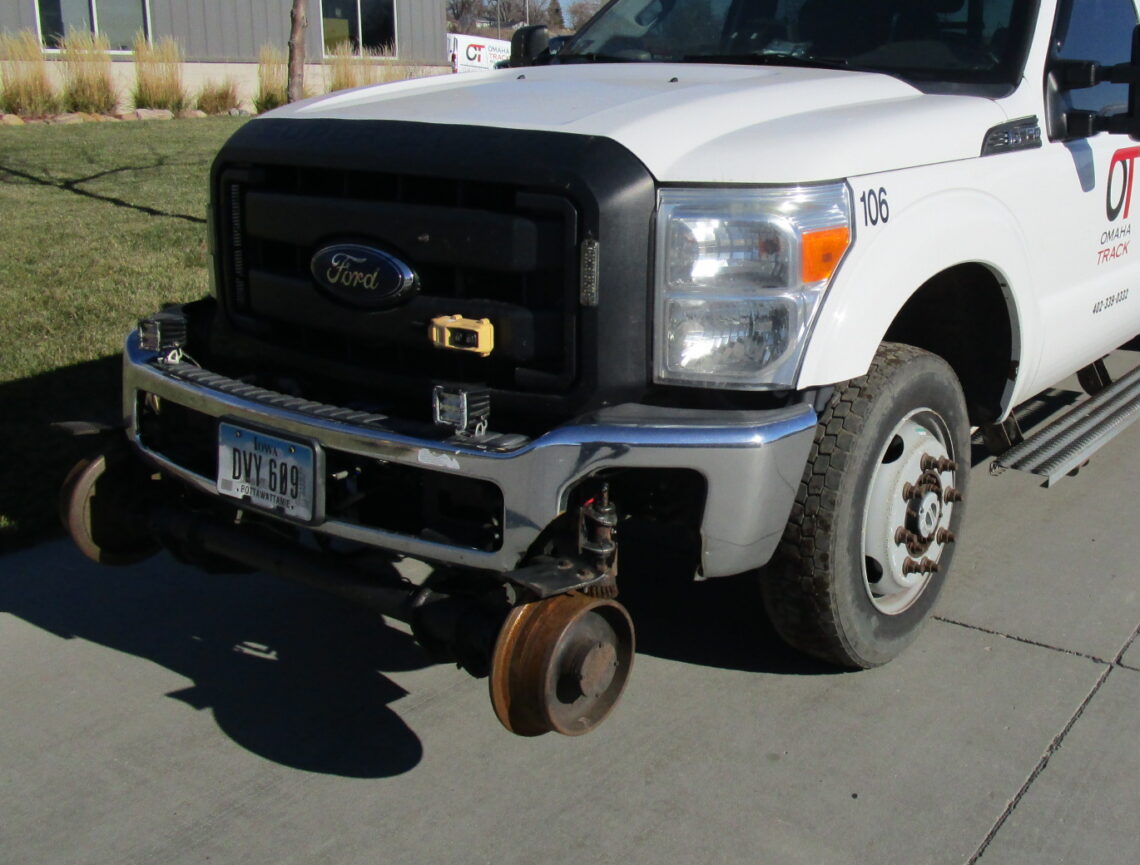
A practical inspection guide for buyers evaluating used hi-rail trucks and equipment before committing to a purchase.
Why This Matters
Used hi-rail equipment combines a road vehicle, rail gear, and specialized work equipment. A clean-looking truck can still carry expensive unknowns, so the inspection should separate those systems and document what was actually verified.
The practical takeaway
- Inspect the highway chassis, rail gear, and work equipment as separate systems.
- Ask for records and current demonstrations instead of relying on general condition statements.
- Estimate repairs and configuration changes before deciding whether the asking price represents real value.
Start With the Job, Not the Truck
Before looking at paint, mileage, or price, define what the unit must do. A signal truck, grapple truck, service truck, pickup, and material-handling unit have very different duty cycles. Fleet buyers should also decide whether this unit needs to match an existing standard or can remain a one-off specialty machine.
Treat It as Three Machines
Inspect the highway chassis, the rail gear, and the work equipment separately. Then test how they interact. A truck can drive well on the road and still have rail-gear problems. A crane can function while the mounting structure needs attention. Looking at the systems separately keeps one good feature from hiding another weak one.
What to Review on the Chassis
Look for cold-start behavior, warning lights, frame damage, suspension wear, brake condition, tire match, fluid leaks, electrical faults, and evidence of poor repairs. On a fleet purchase, compare the chassis family with what your maintenance team already supports.
What to Review on the Rail Gear
The rail wheels, pins, bushings, locks, cylinders, hoses, brackets, mounting structure, and controls all deserve attention. Uneven wear is a reason to investigate alignment or loading rather than simply pricing a replacement wheel.
Ask for Records
Request rail-gear identification, manuals, inspection history, repair records, serial numbers, and any available axle-weight information. Missing documentation does not automatically make a unit bad, but it increases the amount of verification the buyer has to do.
Test Under Realistic Conditions
Watching rail gear move up and down in a yard is not the same as confirming that the vehicle performs correctly on rail. Where an authorized test is available, qualified personnel should evaluate the truck in the operating conditions that matter to the buyer.
Price the Work Before You Price the Deal
List immediate repairs, baseline service, tires, hydraulic work, rail-gear service, missing documentation, and any configuration changes. A lower purchase price can disappear quickly when the unit needs significant work before it can enter service.
What This Means for Fleet Buyers
For fleet buyers, compare the candidate with existing standards before approving it. A mechanically sound truck may still introduce a new rail-gear system, unfamiliar controls, unique service parts, or a body layout that crews and technicians do not support elsewhere.
Frequently Asked Questions
How long should a used-equipment inspection take?
It depends on the machine, but a serious inspection should be thorough enough to review structure, fluids, wear points, controls, operating functions, and documentation rather than relying on a quick walk-around.
What should be checked on used rail gear?
Review wheels, mounting structure, cylinders, hoses, pins, bushings, locks, controls, visible wear, and available inspection or service records.
Should an independent inspection be allowed?
For a significant purchase, buyers should consider an independent qualified inspection when practical, especially when condition or history is uncertain.
Talk With Omaha Track Equipment
OTE works with railroads and rail contractors on used equipment, hi-rail trucks, custom builds, parts, service, and fleet-size equipment needs across the United States and Canada.
View Equipment for Sale | Hi-Rail Trucks | Used Heavy Equipment | Contact OTE
Related Resources
This article provides general equipment-purchasing information. Follow the equipment manufacturer’s instructions, the railroad’s operating requirements, and applicable laws and regulations.